Food Marketing Hype: Low This, Low That… But At What Cost?
We’ve all seen it. Shiny packaging, catchy slogans, and health halos slapped on everything from yoghurt to cereal. Marketing hype is everywhere, and it’s designed to get in your head—whether it’s promising “low-fat,” “low-carb,” or “low-sugar” options that are "supposedly" better for you.
But let’s break that down a bit, shall we?
When food is marketed as “low” in something, it’s often high in something else to make up for the lost flavour or texture:
Low-fat? Often loaded with sugar or salt to make it palatable.
Low sugar? Usually, a chemical cocktail of artificial sweeteners or extra fat.
Low carb? Might be padded out with fillers like cellulose (yes, that’s wood fibre), plus fats and additives to make it feel satisfying.
Let’s take milk as an example—something most people think of as straightforward:
Full cream: Around 3.4% fat, 3.3% protein.
Light/low-fat: About 1.3–1.4% fat. Often contains added skim milk powder for creaminess and calcium.
Skim: Less than 0.15% fat. Again, usually bulked up with skim milk powder to improve taste and protein levels.
When you look at the numbers, even full cream milk is relatively low in fat. So, is the “low-fat” label really changing the game? Not really—especially if the rest of your diet is balanced and you’re not overloading on saturated fats elsewhere.
What is worth paying attention to is added sugar—and it’s sneakier than most people realise. Sugar goes by many names, including:
Sucrose, maltose, dextrose, fructose, glucose, galactose, lactose, high-fructose corn syrup, maltodextrin, dextran, cane juice (and its many variations), barley malt, beet sugar, corn syrup, brown sugar, fruit juice concentrate, golden syrup, maple syrup, and the list goes on…
And when they reduce the sugar, they often add something else—like artificial sweeteners. These are 80 to 100 times sweeter than natural sugar, and the problem is, they train your taste buds to crave even more sweetness. Over time, natural sugars (like those in fruit) don’t taste “sweet enough,” and so the cycle continues. More cravings. More processed food. More weight gain. And of course, bigger profits for the food industry.
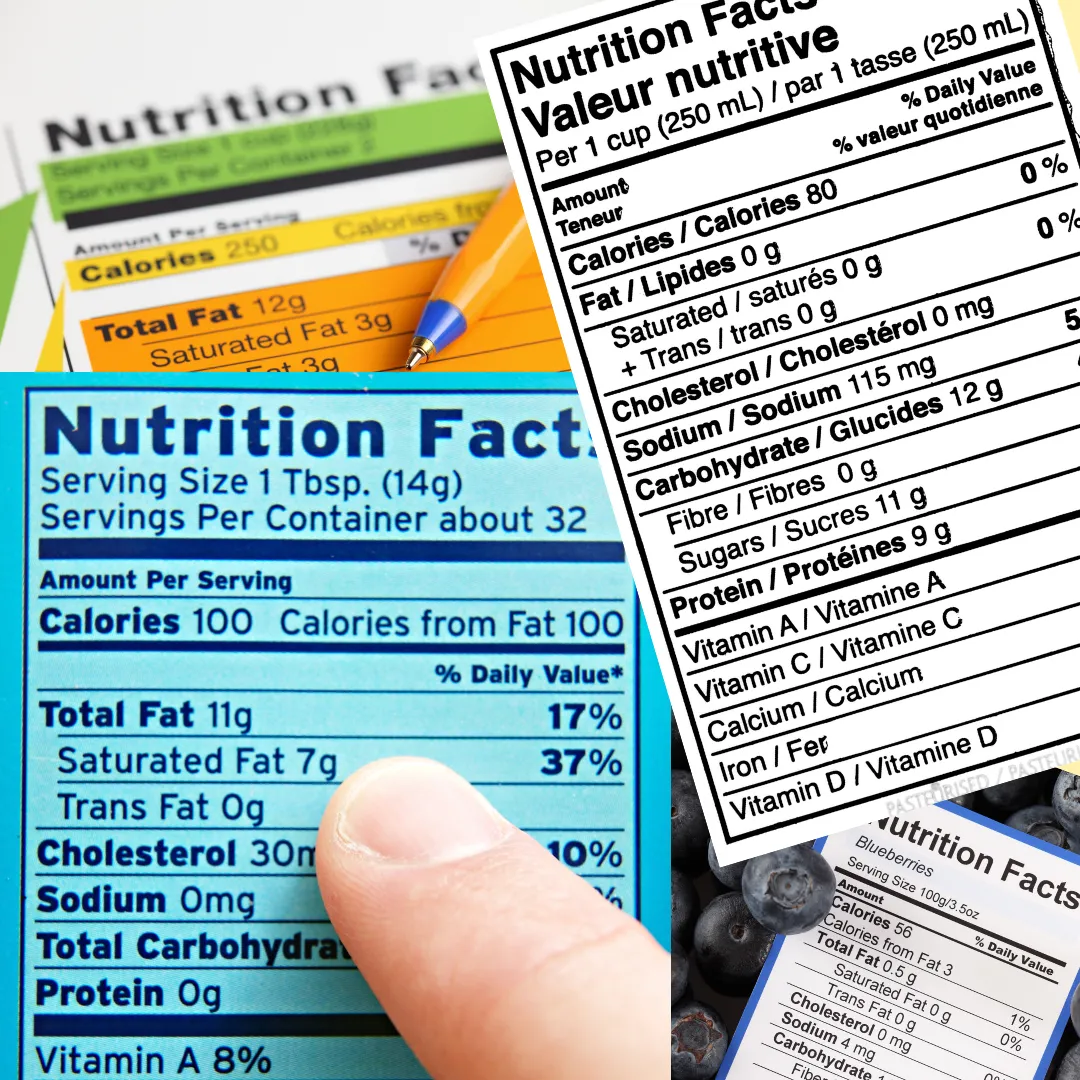
And I’m not just talking theory here—I’ve lived it, by getting honest with myself about what I was eating. Dealing with food intolerances and having a vegetarian son also made me much more aware of labels and ingredients.
My personal mantra?
If I can’t make it myself, it probably doesn’t belong in my regular diet.
No need to be extreme—just be balanced, mindful, and aware of how food marketing tries to pull the wool over our eyes.
Be you, everyone else is taken.
Love, Tracey